

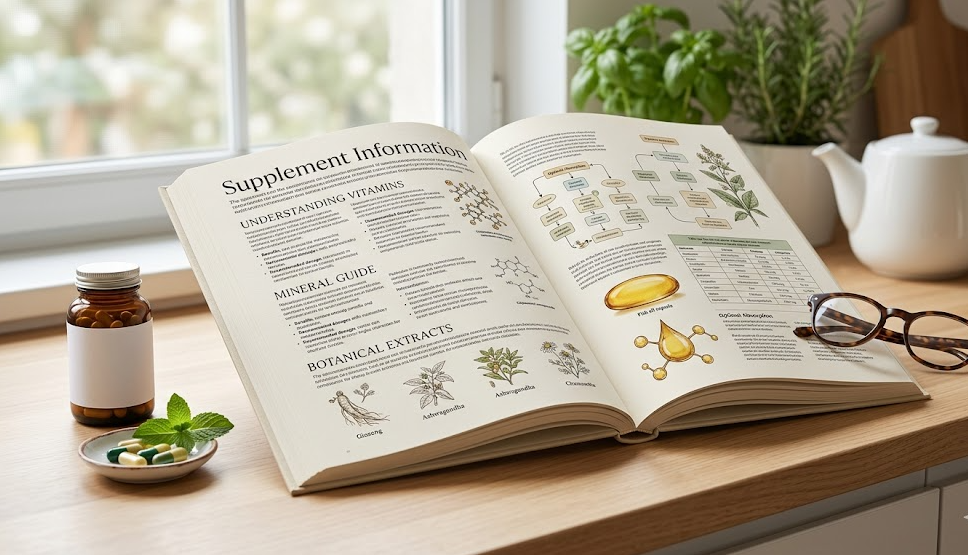
The purpose of supplement education in the context of supplement information theweeklyhealthiness is to help people clearly understand how dietary supplements work and when they are actually needed. Many individuals take vitamins, minerals, or herbal products without proper knowledge, which can lead to confusion, misuse, or unrealistic expectations. This topic focuses on building awareness so readers can make safe and informed choices instead of relying on marketing claims or social media trends.
Another important goal of supplement education is to encourage a balanced approach to health. Instead of depending fully on supplements, people are guided to prioritize natural nutrition from whole foods first. Supplements are presented as supportive tools that help fill nutritional gaps, not as replacements for a healthy diet. This understanding helps individuals avoid unnecessary spending and reduces the risk of overuse or incorrect supplementation.
Types of Supplements Explained
The supplement information theweeklyhealthiness approach explains that dietary supplements come in several categories, each serving a different nutritional purpose. The most common type includes vitamins such as A, B-complex, C, D, and E, which support essential body functions like immunity, energy production, and skin health. Minerals like calcium, magnesium, iron, and zinc are also widely used because they help with bone strength, oxygen transport, and enzyme activity. Understanding these basic groups makes it easier for users to identify what their body may be lacking.
In addition to vitamins and minerals, there are herbal and plant-based supplements that are often used for general wellness. These include ingredients like turmeric, ginseng, and ashwagandha, which are traditionally known for supporting energy, stress management, and overall vitality. Protein powders, amino acids, and probiotics are also popular, especially among fitness enthusiasts and individuals focused on gut health. Each supplement type works differently in the body, so knowing their purpose helps users avoid unnecessary or overlapping usage.
Safety Guidelines for Supplement Use
Safety is a key part of supplement information theweeklyhealthiness, because even beneficial nutrients can cause problems when used incorrectly. One of the most important guidelines is to always follow the recommended dosage on the label or as advised by a healthcare professional. Taking more than the required amount does not speed up results and can sometimes lead to side effects such as nausea, headaches, or nutrient imbalances in the body.
Another important safety rule is to carefully check ingredient labels before using any supplement. Many products contain added fillers, artificial colors, or multiple active ingredients that may not be suitable for everyone. It is also important to consider possible interactions with medications, especially for individuals with existing health conditions. Consulting a qualified healthcare provider before starting any new supplement routine helps reduce risks and ensures that the product is actually suitable for your body’s needs.
How to Choose the Right Supplements
Choosing the right supplements under the idea of supplement information theweeklyhealthiness requires careful attention to personal health needs rather than trends or advertisements. The first step is to identify any nutritional gaps through a balanced diet review or medical advice. For example, someone with low energy might need iron or vitamin B12, while another person with weak bones may benefit from calcium and vitamin D. This personalized approach ensures that supplements actually support the body instead of being taken unnecessarily.
It is also important to focus on product quality and transparency when selecting supplements. Not all brands follow the same manufacturing standards, so checking for clear labeling, ingredient sourcing, and third-party testing can make a big difference in safety and effectiveness. Reliable products usually provide detailed information about dosage, purity, and intended use. Choosing wisely helps avoid low-quality supplements that may contain fillers or ineffective formulas, ensuring better results and safer long-term use.
Common Myths About Supplements
A major part of supplement information theweeklyhealthiness is clearing up common myths that often mislead people. One of the biggest misconceptions is that supplements can replace a healthy diet. In reality, no pill or powder can fully substitute the nutrients and benefits gained from whole foods like fruits, vegetables, grains, and proteins. Supplements are designed only to support nutrition, not to act as a complete dietary solution.
Another common myth is that “more is better” when it comes to supplements. Many people assume that taking higher doses will lead to faster or better results, but this is not true and can even be harmful. Excess intake of certain vitamins or minerals can lead to toxicity or unwanted side effects. Another misunderstanding is that all supplements are completely safe because they are “natural,” but even natural ingredients can cause reactions or interact with medications. Understanding these myths helps users make smarter and safer health decisions.
Role of Supplements in Daily Nutrition
In the context of supplement information theweeklyhealthiness, supplements play a supportive role in daily nutrition rather than acting as a primary source of nutrients. Modern diets are often affected by busy schedules, processed foods, and inconsistent eating habits, which can lead to nutritional gaps. Supplements help fill these gaps by providing essential vitamins, minerals, and other nutrients that the body may not receive in sufficient amounts from food alone.
However, the role of supplements is most effective when they are used alongside a balanced and varied diet. Whole foods still remain the foundation of good health because they provide fiber, antioxidants, and natural nutrient combinations that supplements cannot fully replicate. Supplements simply act as an additional layer of support, especially for individuals with specific deficiencies, dietary restrictions, or increased nutritional needs such as athletes, pregnant women, or older adults.
Conclusion
The idea behind supplement information theweeklyhealthiness is to promote a clear and realistic understanding of how dietary supplements fit into overall health and nutrition. Instead of relying on marketing claims or popular trends, it encourages individuals to make informed decisions based on their personal nutritional needs and scientific guidance. Supplements can be helpful, but only when they are used correctly and responsibly as part of a broader healthy lifestyle.
Ultimately, the most effective approach to wellness is balance. A nutrient-rich diet, proper hydration, regular physical activity, and good sleep remain the foundation of strong health. Supplements should only act as supportive tools when there are genuine deficiencies or specific health goals. By understanding this balance, individuals can avoid unnecessary risks and make smarter choices that truly benefit their long-term well-being.
FAQs
1. What is supplement information theweeklyhealthiness?
It refers to educational guidance that explains how dietary supplements work, their benefits, risks, and safe usage in daily life. It focuses on helping people make informed health decisions.
2. Do I need supplements if I eat a healthy diet?
Not always. If your diet is balanced and rich in nutrients, you may not need supplements. They are mainly used to fill specific nutritional gaps.
3. Are all supplements safe to use?
No. Safety depends on dosage, ingredients, and individual health conditions. Some supplements can cause side effects or interact with medications if not used properly.
4. Can supplements replace real food?
No. Supplements cannot replace whole foods. They only support nutrition but do not provide all the benefits that natural foods offer, such as fiber and antioxidants.
For More Update’s First Read
