

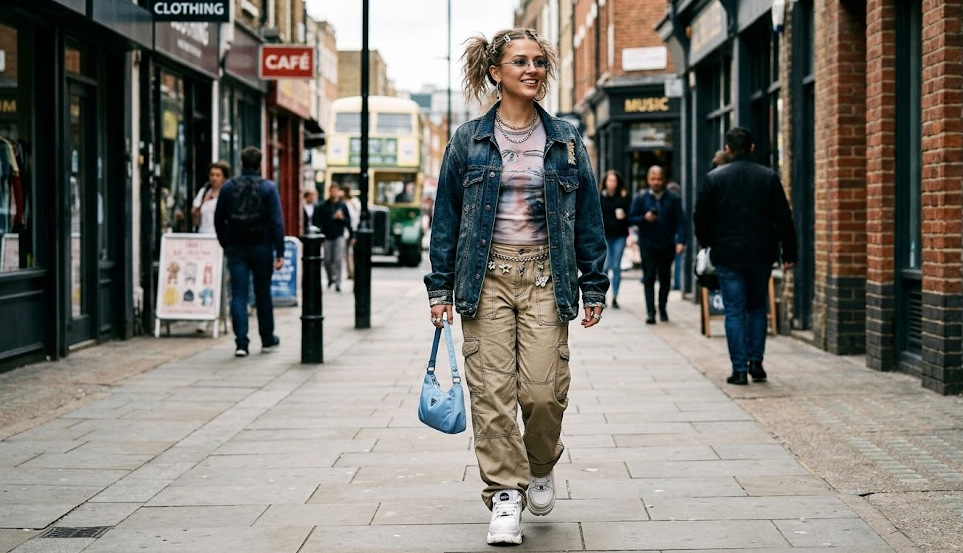
Y2K fashion emerged during the late 1990s and early 2000s, a period defined by rapid technological growth, the rise of the internet, and strong pop culture influence. This era created a unique visual identity that blended futuristic imagination with everyday street style, eventually forming what we now recognize as Y2K streetwear. People at the time were fascinated by the idea of a digital future, and this excitement influenced everything from clothing design to music videos and celebrity styling. Baggy jeans, shiny fabrics, bold logos, and experimental silhouettes became symbols of a generation stepping into a new millennium filled with possibility and uncertainty.
Hip-hop culture, skateboarding communities, and mainstream pop stars all played a major role in shaping this aesthetic, making it a truly mixed cultural movement rather than a single fashion trend. The style also reflected optimism about technology, where metallic colors, cyber-inspired accessories, and futuristic shapes represented the world’s growing digital identity. Over time, these elements became iconic markers of early-2000s identity, laying the foundation for the modern revival of Y2K streetwear that continues to influence global fashion today.
Key Elements That Define Y2K Streetwear Style
Y2K streetwear stands out because of its bold, expressive, and slightly futuristic design language that breaks away from minimal fashion rules. One of the most recognizable elements is the use of oversized and low-rise silhouettes, especially in jeans, cargo pants, and jackets. These relaxed fits were not just a style choice but also reflected the casual, rebellious attitude of early-2000s youth culture. Alongside this, shiny and synthetic materials like nylon, vinyl, and metallic fabrics became popular, giving outfits a “tech-inspired” appearance that matched the era’s fascination with the digital future. Another major feature is the heavy use of branding, often called logomania, where logos are displayed prominently on clothing, accessories, and footwear.
This created a strong visual identity and made fashion feel more expressive and status-driven. Accessories also played a huge role in defining the look. Small tinted sunglasses, chunky sneakers, mini handbags, and layered jewelry helped complete the outfit and added personality. Together, these elements formed a distinctive aesthetic that still feels recognizable today. Modern Y2K streetwear continues to reuse these design codes, blending nostalgia with updated fits and materials to keep the style relevant in today’s fashion landscape.
Popular Brands That Shaped the Y2K Movement
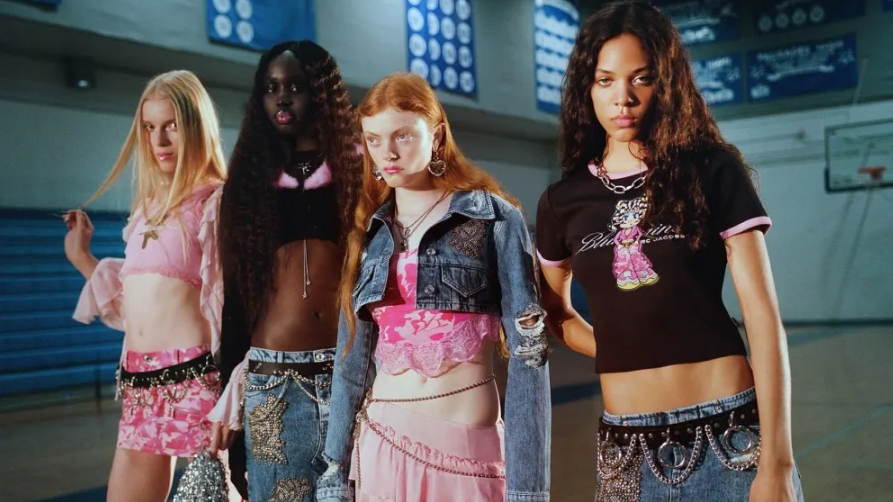
The rise of Y2K streetwear was heavily influenced by several fashion and sportswear brands that dominated the late 1990s and early 2000s. These brands helped define the visual identity of the era by pushing bold designs, experimental silhouettes, and strong branding strategies. Companies like Nike, Adidas, and Puma played a major role by popularizing chunky sneakers, tracksuits, and sporty streetwear that blended comfort with style. At the same time, luxury and high-end brands such as Juicy Couture, Fendi, and Dior contributed to the logomania trend, where visible branding became a symbol of status and cultural relevance. Juicy Couture’s velour tracksuits, for example, became iconic among celebrities and everyday fashion lovers alike, shaping how casual luxury was perceived.
Streetwear-specific labels and emerging designers also helped shape the movement by introducing more experimental and youth-driven aesthetics. Brands like Von Dutch became famous for trucker hats and edgy graphics, while early skate and hip-hop-inspired labels pushed oversized fits and bold prints into mainstream fashion. Celebrities played a major role in amplifying these brands, as stars like Paris Hilton, Britney Spears, and Justin Timberlake were frequently seen wearing them in public and media appearances. This celebrity influence turned certain pieces into cultural symbols almost overnight. Together, these brands created a powerful fashion ecosystem that defined the Y2K era and laid the foundation for today’s revived Y2K streetwear trend, which continues to draw inspiration from their iconic designs and cultural impact.
The Modern Revival of Y2K Streetwear
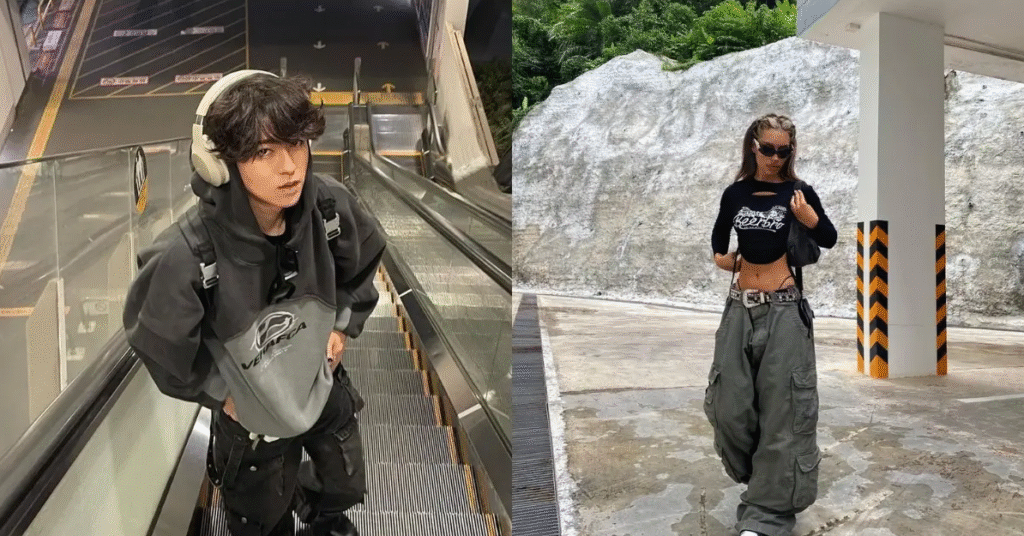
The comeback of Y2K streetwear in today’s fashion scene reflects strong nostalgia and modern reinterpretation. It no longer sits in the early 2000s; instead, it returns as a global trend. Younger generations who never experienced the original era now embrace it for its bold, expressive style and confident visual identity. Fashion cycles often repeat, and Y2K aesthetics have resurfaced as designers and consumers revisit the playful, experimental energy that once defined the millennium fashion landscape. This revival is not just a copy of the past but a refreshed version that blends vintage inspiration with contemporary tailoring and sustainable fashion choices.
Modern streetwear brands and high-fashion houses have reintroduced Y2K-inspired pieces in their collections, including cargo pants, cropped tops, baby tees, and metallic accessories. However, today’s interpretation is often more refined, with cleaner cuts and better-quality materials compared to the original era. Social platforms and resale markets have also played a major role in fueling this revival by making vintage pieces more accessible than ever. As a result, Y2K streetwear has evolved into a hybrid style that connects nostalgia with modern identity, allowing individuals to express creativity while staying aligned with current fashion sensibilities. This balance between past and present is what makes the trend so powerful and long-lasting in today’s fashion industry.
How to Style Y2K Streetwear Outfits Today
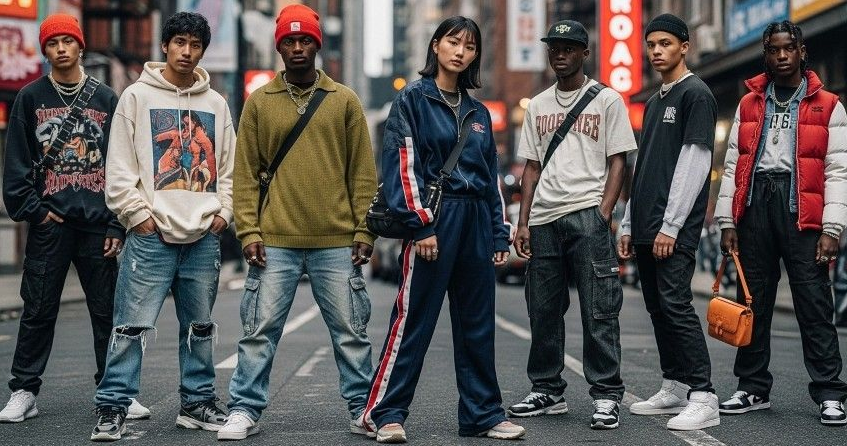
Styling Y2K streetwear today is all about balancing nostalgic elements with modern fashion sensibility. The easiest way to start is by focusing on key Y2K pieces such as baggy jeans, cargo pants, crop tops, and oversized jackets. These items create the foundation of the look and instantly bring in that early-2000s aesthetic. To keep the outfit modern, many people pair these vintage-inspired pieces with cleaner sneakers or minimal accessories, creating a mix of old-school boldness and contemporary simplicity. The goal is not to replicate the past exactly, but to reinterpret it in a way that feels fresh and wearable in today’s everyday lifestyle.
Layering is another important styling technique in Y2K fashion. For example, a fitted baby tee can be worn under a loose zip-up hoodie, or a graphic tank top can be paired with wide-leg jeans and a statement belt. Accessories also play a major role in completing the look. Tiny sunglasses, shoulder bags, chunky sneakers, and layered jewelry help enhance the aesthetic without overwhelming the outfit. Color choice is equally important—soft pastels, metallic tones, and bold neon shades all work well in creating a true Y2K vibe. Ultimately, styling Y2K streetwear today is about confidence and creativity, where mixing textures, proportions, and eras results in a personalized fashion statement that reflects both nostalgia and modern identity.
Influence of Social Media on Y2K Streetwear Trends
Social media has played a major role in bringing Y2K streetwear back into mainstream fashion. Platforms like TikTok, Instagram, and Pinterest have made it easy for users to discover, share, and recreate early-2000s-inspired outfits. Short-form videos, outfit transitions, and aesthetic mood boards have helped spread the Y2K look globally within a short period of time. What was once a niche nostalgic style has now become a viral fashion movement, driven largely by user-generated content rather than traditional fashion advertising. This shift shows how digital platforms can reshape fashion trends in real time and give old styles new life.
Influencers and content creators have also contributed significantly by styling Y2K outfits in creative and relatable ways. Instead of runway-focused interpretations, they present everyday wearable versions of the trend, making it more accessible to a wider audience. Hashtags related to Y2K fashion consistently gain millions of views, showing strong engagement and continuous interest. Social media also encourages experimentation, where users mix thrifted items with modern pieces to create unique looks. As a result, Y2K streetwear has evolved into a highly visual and community-driven trend, constantly influenced by digital culture, viral aesthetics, and online fashion communities that keep reinventing its identity.
Conclusion
Y2K streetwear has grown from an early-2000s fashion movement into a modern global style that continues to evolve with time. Its mix of bold silhouettes, futuristic influences, and expressive branding makes it one of the most recognizable fashion revivals today. What makes it especially relevant is its adaptability—people can wear full Y2K outfits or simply add small elements like cargo pants, tinted sunglasses, or oversized jackets to achieve the look. The revival of this style shows how fashion often cycles back, blending nostalgia with modern creativity. Today, Y2K streetwear represents more than just clothing; it reflects identity, digital culture, and the ongoing influence of early internet aesthetics on modern youth fashion.
FAQs
1. What is Y2K streetwear?
Y2K streetwear is a fashion style inspired by the late 1990s and early 2000s, featuring bold, futuristic, and casual street-inspired clothing.
2. Why is Y2K fashion popular again?
It became popular again due to nostalgia, social media trends, and Gen Z interest in early-2000s aesthetics.
3. What clothes are common in Y2K streetwear?
Common items include baggy jeans, crop tops, cargo pants, chunky sneakers, and small sunglasses.
4. How do you style Y2K streetwear today?
You can style it by mixing vintage-inspired pieces with modern basics and adding bold accessories for a balanced retro look.
For More Update’s First Read
