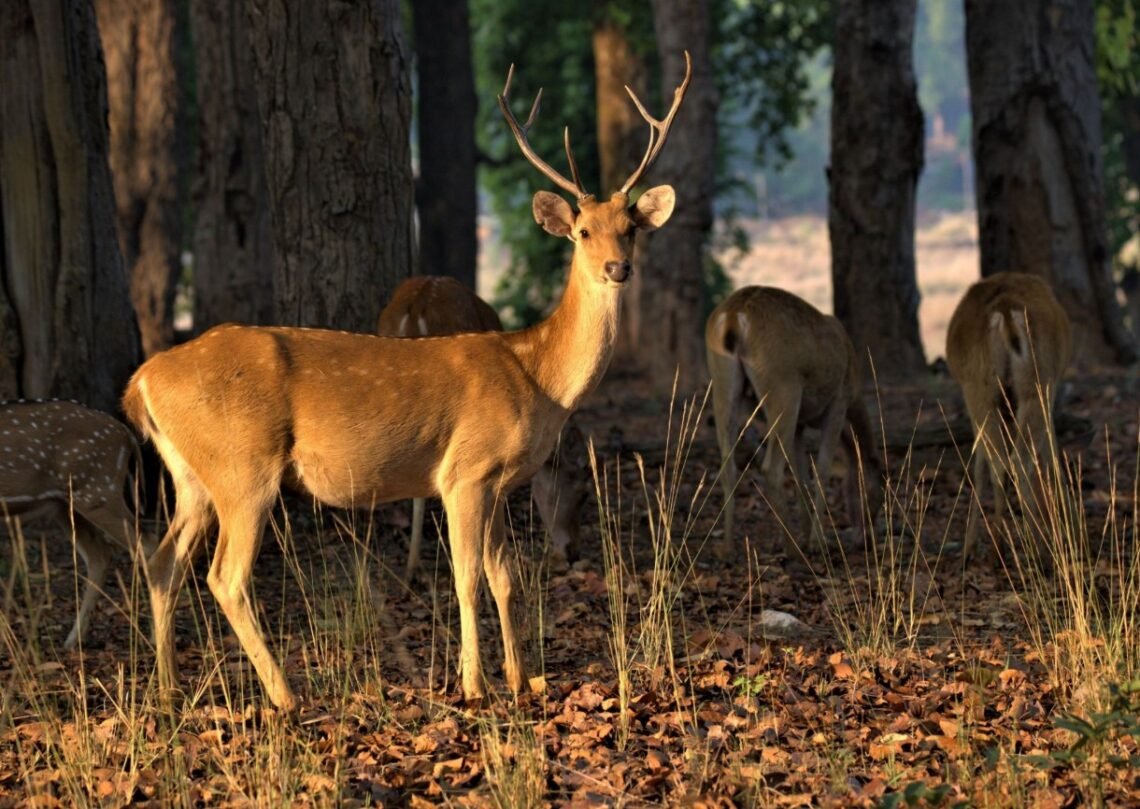
In Norway, the term viltnemnda may sound technical or bureaucratic, but it describes one of the most important local institutions for wildlife management, public safety, and sustainable coexistence between humans and nature. Literally translating to “wildlife committee,” viltnemnda is a municipal authority that forms the backbone of Norway’s practical wildlife governance. It oversees hunting regulations, responds to wildlife accidents, provides conservation advice, and acts as a link between national environmental policies and everyday community life. For anyone who lives in moose country, farms near forest edges, enjoys hunting traditions, or cares about biodiversity, understanding viltnemnda is essential.
What Is Viltnemnda? Legal Definition and Purpose
Viltnemnda is a legally mandated municipal wildlife committee established under Norwegian law. It operates primarily under two important acts: the Wildlife Act of 1981 (Viltloven) and the Nature Diversity Act of 2009 (Naturmangfoldloven). Together, these laws define the state’s ownership of wild game species, outline municipal responsibilities, and require that all wildlife decisions be grounded in scientific knowledge, ecological understanding, and the precautionary principle.
In practical terms, viltnemnda is not a hobby-based group or a volunteer wildlife club. It is a formal authority with public responsibilities, and its decisions can carry legal weight. The committee’s core mission is to regulate hunting, manage wildlife populations sustainably, respond to injured or road-killed animals, reduce conflicts between humans and wildlife, advise municipalities on conservation, and collaborate closely with national agencies such as Miljødirektoratet. Its work influences road safety, land management, hunting traditions, and ecological health.
Structure and Governance: How Viltnemnda Is Organized
Every municipality in Norway can establish its own viltnemnda, and the structure may vary slightly depending on local conditions. However, several organizational features are consistent across the country. Most viltnemnder consist of three to seven members, appointed by the municipal council for a set term. These members often bring diverse expertise: some may be hunters with extensive field knowledge, others may be agricultural representatives, conservation advocates, or municipal employees with environmental backgrounds. This diversity ensures that decisions are balanced, informed, and sensitive to local ecological realities.
Viltnemnda usually works under the municipality’s environmental or planning department. It may function as an advisory board in some matters and as a decision-making authority in others, depending on the issue at hand. For instance, when reviewing hunting quotas or issuing damage culling permits, the committee’s recommendations often have direct regulatory effects. To carry out its responsibilities, the viltnemnda collaborates with a wide network of partners including police departments, landowners, hunters’ associations, scientific researchers, and national wildlife agencies. This hybrid structure allows it to be both locally grounded and nationally aligned.
Main Responsibilities of Viltnemnda in Practice
Although the duties of viltnemnda span a wide spectrum, they fall into several broad categories that shape daily life and local policy in significant ways.
Handling Wildlife Accidents and Injured Game
One of the most visible and practical roles of viltnemnda is responding to wildlife–vehicle collisions. When a driver hits a moose, roe deer, or other large game animal, Norwegian law requires the incident to be reported immediately by calling the police at 02800. The police then alert the viltnemnda or a designated wildlife response team, often called an ettersøkskorps. These teams consist of trained personnel and tracking dogs capable of locating injured animals in difficult terrain.
Once on site, responders assess whether the animal is injured, suffering, or deceased. If an animal is severely wounded, humane euthanasia is performed to prevent prolonged suffering. The team also gathers collision data used to improve future safety measures, such as installing warning signs, clearing vegetation near roads, adjusting speed limits, or constructing wildlife fencing. This process reflects the dual priorities of viltnemnda: safeguarding both public safety and animal welfare.
Regulating Hunting and Managing Sustainable Wildlife Populations
Hunting is an integral part of Norwegian culture, but it must be carefully managed to maintain balanced wildlife populations. If populations grow too large, the risk of road accidents, browsing damage on forests, or impacts on agricultural land increases. If populations become too small, ecosystems and hunting traditions suffer. This is where viltnemnda plays a crucial role.
Landowners and hunting groups submit multi-year population plans, known as bestandsplaner, which describe goals for species such as moose, red deer, and roe deer. Viltnemnda evaluates these plans using biological data including harvest statistics, age distribution, recruitment rates, and winter survival numbers. Based on these assessments, the committee sets annual quotas and allocates hunting permits. Hunters must report their results accurately, and some are required to deliver biological samples like jawbones for age and health analysis. This evidence-based management model is one reason Norway is regarded as a global leader in sustainable game harvesting.
Managing Wildlife Conflicts and Damage Control
Human–wildlife conflict is inevitable in a country with large populations of moose, deer, beavers, and geese. These animals do not recognize property boundaries, and their natural behaviors sometimes create problems. Moose may cause major damage to young forest plantations. Beavers can flood roads or fields through dam construction. Geese and other migratory birds can devastate agricultural crops. When conflicts arise, property owners can file a complaint or request intervention through their municipality, which forwards cases to the viltnemnda.
Norwegian law prioritizes non-lethal solutions wherever feasible. Viltnemnda may recommend deterrents, fencing, habitat modification, or other preventive strategies. However, in cases of serious or repeated damage, the committee has the authority to issue skadefelling permits, which allow targeted removal of specific animals. These permits are highly regulated, time-limited, and designed to minimize ecological disruption.
Advising Municipalities on Conservation, Land Use, and Urban Planning
Although less visible to the public, viltnemnda plays a significant advisory role in municipal planning processes. When municipalities propose new roads, housing areas, or industrial developments, they often consult with the viltnemnda to understand potential impacts on wildlife corridors, breeding sites, or migration routes. The committee may recommend protective buffers, wildlife crossings, signage, or route modifications. This proactive involvement helps prevent long-term habitat fragmentation and contributes to healthier ecosystems.
Educating the Public and Promoting Wildlife Awareness
Another important function of viltnemnda is public outreach. Many residents and visitors do not fully understand their legal duties regarding wildlife, especially in the case of road collisions. Viltnemnda helps bridge this knowledge gap by offering guidance on wildlife behavior, coexistence strategies, reporting procedures, and seasonal risks such as rutting periods or migration routes. Some municipalities publish regular updates, hold informational meetings, or maintain public contact lines. These efforts help strengthen community trust and encourage responsible behavior around wildlife.
Also Read: DesignMode24.com Your Complete Guide to Modern Web Design
The Central Challenges Facing Viltnemnda
While viltnemnda performs crucial work, it also faces complex challenges that influence its effectiveness.
One of the most persistent difficulties is balancing the interests of diverse stakeholder groups. Farmers may push for stronger measures to prevent wildlife damage, while conservation organizations advocate for minimal intervention. Hunters typically want quotas that maintain viable populations and preserve hunting opportunities, whereas municipalities prioritize road safety and reduce collision risks. Navigating these competing priorities requires nuanced decision-making and clear communication.
Another challenge involves resource constraints. Many municipalities operate on tight budgets, and some rely heavily on volunteer wildlife responders. Limited funding can reduce capacity for data collection, delay accident responses, and weaken long-term planning. Rural areas, in particular, struggle with maintaining well-equipped teams.
Climate change adds further complexity. Warmer winters, altered vegetation cycles, and changes in migration patterns mean that wildlife no longer behaves as predictably as it once did. New species may expand northward, and established species may alter their ranges. Viltnemnda must continuously adapt its management strategies, which requires both updated knowledge and more flexible governance.
Public awareness also remains a challenge. Many people are unaware that reporting wildlife collisions is required by law. Unreported accidents lead to animal suffering and reduce the quality of data used to improve safety measures. Increasing public education is therefore essential.
Finally, organizational changes in some municipalities have blurred responsibilities. In certain areas, traditional viltnemnder have been dissolved and replaced with other bodies or task forces. This can create confusion about authority and accountability, especially during emergencies.
How Citizens Can Interact With Viltnemnda
For residents, tourists, hunters, and landowners, knowing how to interact with viltnemnda is not only useful but sometimes legally necessary. The most common interaction occurs after a wildlife–vehicle collision. If you hit or even suspect you have hit a wild animal, the law requires that you immediately call the police at 02800. Do not attempt to approach or assist the animal yourself. Instead, ensure your own safety, move your vehicle to the side if possible, and mark the collision site with a visible object such as reflective tape, a bright piece of clothing, or hazard triangles. This marker helps viltnemnda and wildlife tracking teams find the animal quickly, reducing suffering and improving response accuracy.
Property owners can also contact their municipality if wildlife causes damage on farmland, in forests, or near homes. Documentation is essential. Photographs, dates, and descriptions of the damage help viltnemnda evaluate the case. In many municipalities, online portals allow easy submission of complaints or compensation claims. In more complex cases—such as repeated beaver flooding or persistent moose browsing—viltnemnda may send inspectors to assess the situation personally.
Hunters interact with viltnemnda before, during, and after hunting seasons. Applications for hunting permits, submission of bestandsplaner, reports of harvest data, and delivery of biological samples all go through municipal channels and are evaluated by the committee. Responsible communication between hunters and viltnemnda ensures that quotas align with ecological conditions and remain sustainable over time.
Citizens can also attend open meetings, consult public records, or volunteer in various wildlife-related initiatives. Although not all municipalities offer volunteer roles, some welcome assistance in data collection or field observations. The more residents understand the purpose and work of viltnemnda, the stronger the partnership between communities and wildlife authorities becomes.
Also Read: Ironmartonline Reviews Expert Analysis and Buyer Insights
Future Trends and Innovations Shaping Viltnemnda
As environmental conditions evolve, so must wildlife governance. Viltnemnda is no exception. Several emerging trends suggest how the committee’s role may grow and change in the coming decades.
One major trend is the integration of advanced technology into wildlife monitoring. Drones equipped with thermal cameras can locate injured animals more quickly, especially in dense forests or during nighttime searches. GPS collars placed on moose or deer provide detailed movement data that improve population models and reveal migration corridors. Camera traps and wildlife sensors, often installed near roads or forest edges, offer real-time snapshots of local animal activity. These tools help viltnemnda make more informed decisions and reduce response times.
Digital reporting is another innovation gaining traction. Modern platforms allow citizens to submit collision reports, upload photos, share GPS coordinates, and track case updates. For municipalities, streamlined data management improves transparency, speeds up decision-making, and strengthens public engagement.
A third trend involves greater regional cooperation. Wild animals do not follow municipal borders, so neighboring municipalities increasingly work together to harmonize hunting quotas, share response resources, and jointly manage species with large home ranges. Larger, integrated wildlife regions allow for more ecologically coherent planning.
Governance reforms may also shape the future of viltnemnda. Many experts call for clearer mandates, more diverse representation on wildlife committees, standardized training across municipalities, and improved community communication. Increased collaboration with researchers and environmental NGOs could strengthen scientific input and enrich management strategies. Some municipalities are exploring hybrid models where traditional viltnemnda responsibilities are shared with specialized teams to ensure faster responses and more consistent procedures.
Climate change will remain one of the biggest long-term challenges. Milder winters, changing food patterns, more frequent extreme weather, and the arrival of new species will all require flexible and adaptive management. Viltnemnda’s ability to monitor ecological shifts and adjust policies will determine how successful Norway’s wildlife governance remains throughout the twenty-first century.
How Viltnemnda Compares to Wildlife Management in Other Countries
Although viltnemnda is uniquely Norwegian, similar institutions exist elsewhere, but usually with more fragmented responsibilities. In countries like the United States or Canada, wildlife management typically falls under a combination of state or provincial agencies, law enforcement departments, local governments, and private landowners. Road-kill responses, hunting regulation, and land-use planning may be handled by entirely separate entities. This can lead to slower communication and inconsistent standards.
The Norwegian system, by contrast, centralizes many key responsibilities at the municipal level, where local knowledge is strongest. A single committee—viltnemnda—coordinates hunting quotas, collision response, damage control, and wildlife-related planning advice. This integrated approach aligns local management with national policy while ensuring rapid and context-sensitive decisions. In Scandinavian neighbors like Sweden and Finland, similar models exist, but Norway maintains stronger municipal authority and more formalized structures for wildlife committees.
Norway’s model also prioritizes public participation and transparency. Hunting data, damage assessments, and wildlife statistics are often publicly accessible, enabling citizens to see how decisions are made and how quotas are justified. This openness strengthens trust between the public and wildlife managers.
Also Read: Mariah Bird Life Family Career & Legacy Explained
Conclusion
Viltnemnda represents one of the most vital yet underappreciated institutions in Norwegian society. Operating at the intersection of conservation, public safety, hunting traditions, and community governance, it embodies Norway’s long-standing commitment to coexistence between humans and nature. Whether responding to moose collisions, reviewing hunting quotas, advising on urban developments, or protecting biodiversity, viltnemnda carries out a complex and essential mission grounded in national law and ecological knowledge.
Its success depends not only on legislation and expertise but also on cooperation. Police, hunters, landowners, researchers, and ordinary citizens all contribute to the system’s effectiveness. As climate change, shifting animal behavior, and new technological opportunities reshape the landscape, viltnemnda will continue adapting to safeguard both wildlife and the people who share space with it.
Supporting viltnemnda—by reporting accidents promptly, participating in community discussions, documenting wildlife damage, or simply learning about its role—is a meaningful way to contribute to safer roads, healthier ecosystems, and stronger rural and urban communities. Understanding this institution is more than an academic exercise; it is a step toward maintaining the delicate balance between Norway’s natural heritage and modern life.
FAQs About Viltnemnda
What is viltnemnda in Norway?
Viltnemnda is the municipal wildlife committee responsible for managing wild game, regulating hunting quotas, responding to wildlife accidents, and advising local authorities on conservation matters. It operates under Norwegian law to ensure sustainable wildlife management and public safety.
Who do I call if I hit a wild animal in Norway?
You should immediately call the police at 02800. They will notify the local viltnemnda or wildlife response team. Never attempt to approach or assist an injured wild animal yourself.
What happens to injured wildlife after a collision?
Trained wildlife responders working with viltnemnda locate and evaluate injured animals. If an animal is suffering, it is humanely euthanized. Accurate records are kept to support future safety planning and wildlife management.
Can viltnemnda help if wildlife damages my property?
Yes. Property owners can report wildlife damage to their municipality. Viltnemnda investigates cases and may recommend preventive measures or, in serious situations, authorize damage culling.
Is viltnemnda the same in every municipality?
While all municipalities follow national wildlife laws, viltnemnda structures and operational practices may vary. Some committees have broader decision-making authority, while others function primarily as advisory bodies.