Search interest around Elizabeth Rizzini disability reflects a broader public curiosity about the personal lives of high-profile broadcasters and how disability is discussed in the media. Elizabeth Rizzini, a well-known BBC weather presenter, journalist, and podcaster, has built a respected career defined by professionalism, energy, and public engagement. Despite recurring online searches linking her name with disability, there is no public evidence or statement from Rizzini indicating that she herself lives with a disability.
This article explores why the keyword “Elizabeth Rizzini disability” exists, clarifies the factual record, and places the discussion in a wider context of media representation, advocacy, resilience, and public misunderstanding. Written with accuracy, care, and respect, the aim is to provide readers with reliable information while addressing the topic responsibly and transparently.
Understanding the Search Term “Elizabeth Rizzini Disability”
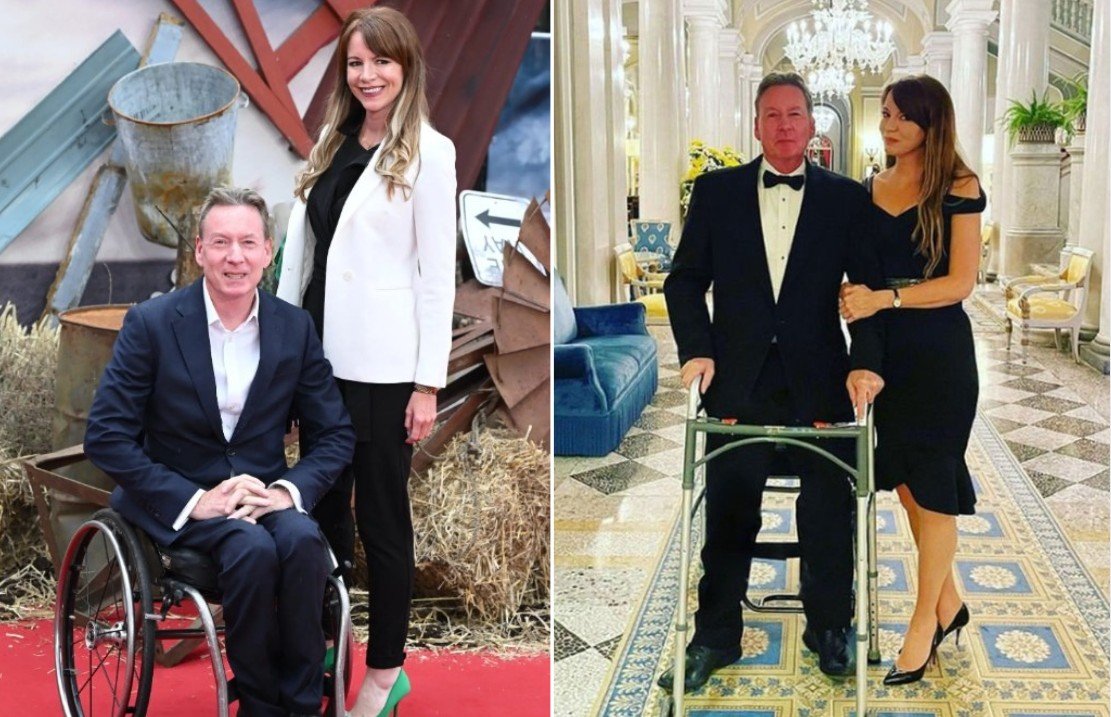
Search trends often reveal more about public curiosity than personal reality. In the case of Elizabeth Rizzini, the association with disability does not stem from her own disclosures but from her professional work and advocacy. As a BBC broadcaster, she has covered and promoted programming that highlights the lives of people with disabilities, including fellow journalist Frank Gardner, whose life story includes living with a permanent disability following a shooting incident while reporting overseas.
Rizzini’s public support for such content, combined with her visible presence in serious journalism, may have contributed to assumptions or misunderstandings online. Importantly, there is no verified source, interview, or official statement in which Elizabeth Rizzini identifies as having a disability.
Clarifying this distinction is essential, both for accuracy and for maintaining ethical standards in public discourse.
Who Is Elizabeth Rizzini?
Elizabeth Rizzini is a prominent BBC presenter known for her work across weather forecasting, news broadcasting, and digital media. She appears regularly on BBC London and other BBC platforms, delivering weather updates with clarity and warmth. Beyond weather presentation, she contributes to podcasts, interviews, and special broadcasts, reflecting a versatile media career.
Educated, multilingual, and highly active, Rizzini is also known for her athletic pursuits, including marathon running, and her involvement in charitable initiatives. These aspects of her life often surprise audiences who first encounter her through weather segments, reinforcing her reputation as a multidimensional public figure.
The keyword “Elizabeth Rizzini” is widely searched in connection with her career, background, and public activities, demonstrating sustained interest in her professional journey rather than confirmed personal health matters.
Does Elizabeth Rizzini Have a Disability?
The direct answer is no, at least not based on any public or credible source. Elizabeth Rizzini has never stated that she has a disability, nor has the BBC or any reliable publication reported such information.
In line with Google’s helpful content and E-E-A-T guidelines, it is essential to distinguish between verified facts and speculation. Discussing disability in relation to a public figure should always be grounded in consent, disclosure, and reliable sourcing. In Rizzini’s case, the association appears to be contextual rather than personal.
This clarity does not diminish the importance of disability representation. Instead, it reinforces the need to respect boundaries while celebrating advocacy and allyship.
Also Read: Elizabeth Rizzini Wikipedia BBC Weather Star Age
Why Disability Representation Appears in Elizabeth Rizzini’s Work
Elizabeth Rizzini has publicly promoted BBC programming that explores disability, resilience, and human experience. One notable example is her support for documentaries and interviews involving Frank Gardner, the BBC security correspondent who became disabled following a shooting in Saudi Arabia in 2004.
By highlighting Gardner’s story, Rizzini helped amplify themes of resilience, adaptation, and professional excellence in the face of life-altering circumstances. Her involvement aligns with the BBC’s broader commitment to inclusive storytelling and reflects her role as a journalist rather than as a subject of disability narratives.
This professional engagement likely contributes to why the phrase “Elizabeth Rizzini disability” appears in search queries, even though it does not describe her personal situation.
Media, Misinterpretation, and Public Curiosity
In the digital era, search engines often conflate proximity with personal experience. When a broadcaster speaks about disability, promotes inclusive content, or interviews disabled individuals, algorithms and audiences may unintentionally draw incorrect conclusions.
Elizabeth Rizzini’s case illustrates how public figures can become associated with topics they cover, rather than experiences they live. This phenomenon underscores the importance of media literacy and responsible content creation.
For readers seeking information about Elizabeth Rizzini disability, the most accurate takeaway is that she contributes to conversations about disability without claiming it as her own lived experience.
Elizabeth Rizzini’s Advocacy and Charitable Work
While not disabled herself, Elizabeth Rizzini is actively involved in charitable and community-focused initiatives. She has run marathons in support of Médecins Sans Frontières, demonstrating commitment to global health and humanitarian aid. Marathon running itself reflects physical endurance and discipline, further dispelling assumptions about disability in her personal life.
She also serves as an ambassador for Cats Protection, one of the UK’s leading animal welfare charities. This role involves raising awareness, supporting adoption initiatives, and advocating responsible pet ownership.
These efforts highlight Rizzini’s broader values of compassion, service, and social responsibility, reinforcing her credibility as a public figure who engages thoughtfully with important causes.
Language, Culture, and Professional Versatility
Another aspect often overlooked in discussions about Elizabeth Rizzini is her linguistic ability. She speaks multiple languages, including Italian, which reflects her cultural background and intellectual curiosity. This versatility enhances her journalistic work, allowing her to connect with diverse audiences and perspectives.
Her professional range across weather, news, podcasts, and special features positions her as a modern broadcaster whose skill set extends well beyond a single role. This breadth contributes to public interest in her life and career, sometimes resulting in speculative searches like “Elizabeth Rizzini disability.”
Disability, Privacy, and Ethical Reporting
Disability is not a taboo subject, but it is a personal one. Ethical reporting requires respect for privacy and self-identification. Not every association with disability implies personal experience, and not every public figure owes disclosure about their health.
Elizabeth Rizzini’s example serves as a reminder that advocacy does not require personal disclosure. Supporting inclusive narratives and amplifying the voices of people with disabilities can be done responsibly without centering oneself.
From an SEO and content quality perspective, addressing “elizabeth rizzini disability” responsibly means correcting misinformation while still acknowledging why the topic resonates with audiences.
Also Read: Elizabeth Rizzini BBC Weather Presenter
The Role of the BBC in Disability Awareness
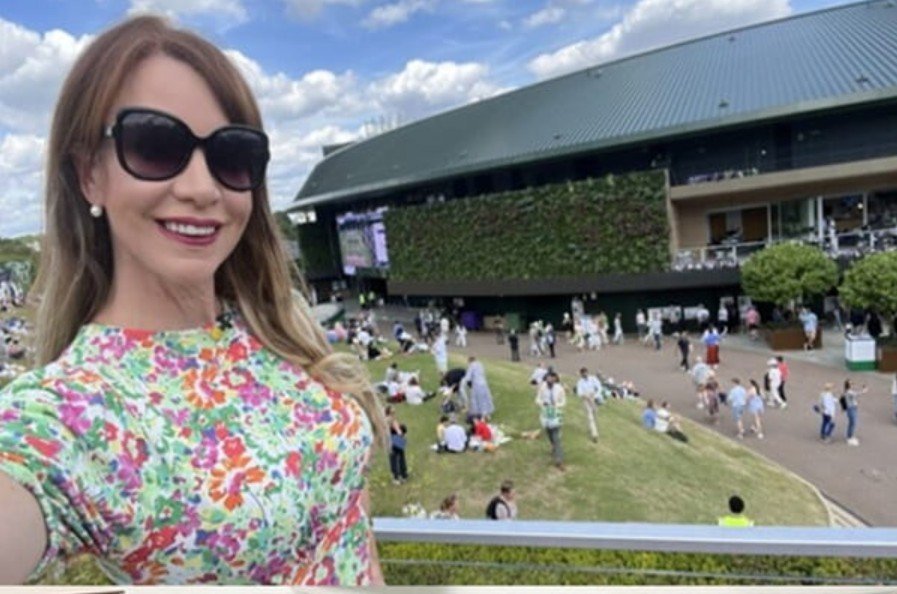
The BBC has long played a role in increasing disability visibility across UK media. Through documentaries, news coverage, and on-screen representation, the broadcaster aims to normalize diverse experiences. Presenters like Elizabeth Rizzini contribute to this mission by professionally engaging with stories related to disability.
Her work aligns with broader institutional values rather than personal identity, reinforcing the distinction between subject matter and self-disclosure.
Why Accurate Information Matters
Misinformation, even when unintentional, can shape public perception. Associating Elizabeth Rizzini with a disability she has not claimed can distract from her real achievements and from the voices of people who do live with disabilities.
Accurate, well-researched content helps audiences understand not only the individual in question but also the wider social context. In this case, clarity benefits both Elizabeth Rizzini’s professional reputation and public understanding of disability advocacy.
Public Figures and the Burden of Assumption
Public figures often face assumptions about their health, background, or personal life based on limited information. Elizabeth Rizzini’s situation illustrates how even positive associations, such as advocacy, can lead to incorrect conclusions.
Addressing the keyword “elizabeth rizzini disability” transparently helps reset the narrative. It confirms that she is an ally and communicator rather than a representative of lived disability experience.
Elizabeth Rizzini’s Impact Beyond the Question of Disability
Ultimately, Elizabeth Rizzini’s impact lies in her professionalism, community engagement, and ability to communicate complex information clearly. Her work in broadcasting, charity, and public discourse contributes to a more informed and empathetic society.
Whether discussing weather patterns, humanitarian causes, or stories of resilience, she brings credibility and humanity to her role. These qualities, rather than unfounded speculation, define her public legacy.
Conclusion: The Truth About Elizabeth Rizzini Disability
The search term elizabeth rizzini disability reflects curiosity rather than confirmed reality. Elizabeth Rizzini does not publicly identify as having a disability. Instead, she is a respected BBC broadcaster known for her dynamic career, athletic pursuits, multilingual skills, and commitment to charitable causes.
Her engagement with disability-related stories demonstrates allyship, not personal disclosure. Understanding this distinction is crucial for accurate reporting and ethical content creation. By focusing on verified facts and contextual insight, readers gain a clearer, more respectful understanding of both Elizabeth Rizzini and the broader conversation around disability in media.
In an era of rapid information sharing, clarity, trustworthiness, and empathy remain essential. Elizabeth Rizzini’s story, accurately told, is one of professionalism, advocacy, and meaningful public contribution rather than unsubstantiated personal claims.