

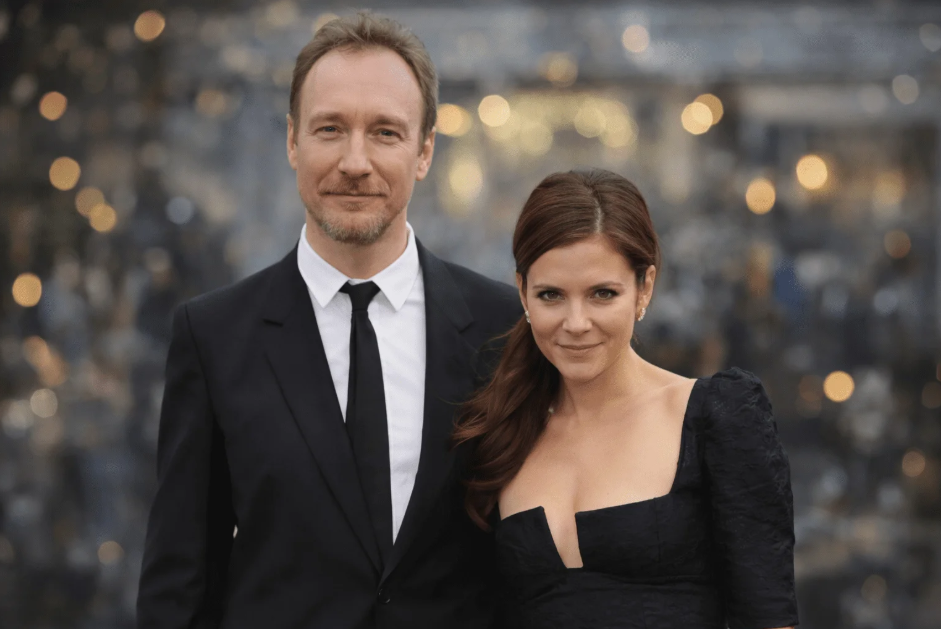
Hermine Poitou’s early life is closely connected to her development as a visual thinker, although she has kept most personal details private. What is known from professional references is that she grew up in France, where she was exposed to a rich cultural and artistic environment. This early exposure to art, design, and European visual culture played an important role in shaping her interest in creative expression and visual storytelling.
As she moved forward in her academic journey, she pursued studies related to graphic design and visual arts. Her education helped her understand the technical and conceptual foundations of design, including composition, typography, color theory, and visual balance. These skills later became the backbone of her professional work, allowing her to develop a refined and consistent design language.
During her learning phase, she also gained exposure to international design approaches, which expanded her perspective beyond traditional methods. This combination of structured education and broader artistic influence helped her form a balanced creative identity that blends precision with simplicity. It is this educational foundation that later allowed her to work confidently in freelance illustration and design projects, where adaptability and strong visual understanding are essential.
Career Journey in Graphic Design and Illustration
Hermine Poitou built her career as a freelance graphic designer and illustrator, gradually developing a reputation for clean, structured, and minimal visual communication. Instead of following a highly commercial or trend-driven path, she focused on long-term creative consistency, which allowed her to refine her style over time. Her work is often associated with editorial design, branding, and visual identity projects where clarity and strong composition are essential.
Her professional journey reflects steady growth rather than sudden visibility. She worked across different creative assignments that required a balance of artistic expression and practical communication. This experience helped her understand how design functions not only as art but also as a problem-solving tool. In many projects, she applied minimal design principles to ensure that messages were delivered in a direct and visually effective way.
Over the years, her illustration work also gained attention for its subtle detail and thoughtful composition. She avoids unnecessary visual noise and instead focuses on creating harmony between space, typography, and imagery. This approach makes her work suitable for editorial layouts, magazine designs, and branding systems that require a refined visual identity.
Her career path demonstrates how a designer can remain independent while still maintaining professional relevance. By prioritizing quality over quantity and focusing on meaningful creative output, Hermine Poitou has established herself as a respected name in modern graphic design circles.
Artistic Style and Minimalist Design Philosophy
Hermine Poitou’s artistic style is strongly rooted in minimalism, where simplicity is used as a deliberate creative choice rather than a limitation. Her designs often rely on clean layouts, soft visual balance, and carefully controlled spacing that allows each element to breathe. This approach creates a calm and structured visual experience that feels both modern and timeless.
A key aspect of her philosophy is the belief that every design element should serve a purpose. Instead of filling space with unnecessary graphics or excessive detail, she focuses on clarity and intentional placement. This results in compositions that guide the viewer’s eye naturally without confusion or distraction. Her work often reflects a strong understanding of visual hierarchy, where the most important elements are highlighted through subtle contrast rather than bold exaggeration.
Another important part of her style is the use of restrained color palettes. Rather than relying on vibrant or overly complex combinations, she prefers muted tones and balanced contrasts that enhance readability and emotional tone. This makes her work especially effective in editorial design and branding, where communication needs to be clear and visually consistent.
Her minimalist philosophy is not just aesthetic but also conceptual. It reflects a mindset of reducing noise—both visual and conceptual—to focus on meaning. This is why her designs are often described as elegant, thoughtful, and highly refined within the professional design community.
Personal Life and Public Privacy Approach
Hermine Poitou is also known for maintaining a very private personal life, which is quite rare in today’s highly connected and social media-driven creative industry. Unlike many modern designers who actively promote their work through public platforms, she chooses to keep her personal identity separate from her professional output. This decision reflects a clear boundary between her work as a designer and her life outside of it.
Her privacy-focused approach allows her to concentrate more deeply on her creative work without the pressure of public attention. By avoiding constant media exposure, she maintains a level of independence that gives her freedom in how she approaches design projects. This kind of separation is often seen as beneficial for artists who prefer to let their work speak for itself rather than building a public persona.
Even though she is linked to public interest due to her professional recognition and personal associations, she has consistently avoided turning her private life into a subject of public discussion. This reinforces her identity as a professional who values substance over visibility.
In many ways, her privacy approach aligns with her minimalist design philosophy. Just as her work removes unnecessary visual elements, her personal life also avoids unnecessary exposure. This consistency between her creative style and personal choices makes her profile unique in the modern design landscape.
Influence on Modern Visual Culture
Hermine Poitou’s influence on modern visual culture can be seen in the growing appreciation for minimal and structured design across branding, editorial work, and digital media. Her approach reflects a broader shift in the creative industry where clarity and simplicity are becoming more valuable than overly complex visuals. Designers today increasingly focus on clean layouts, balanced spacing, and purposeful composition—principles strongly associated with her style.
One of the most important impacts of her work is how it reinforces the idea that design does not need to be loud to be effective. Instead, subtlety and restraint can create stronger emotional and visual engagement when applied correctly. This mindset has influenced younger designers who are now adopting minimalist strategies in UI design, print media, and brand identity systems.
Her work also aligns with the modern demand for user-friendly visual communication. In a digital world filled with constant information overload, designs inspired by her philosophy help simplify messaging and improve readability. This makes her approach especially relevant in areas like web design, editorial layouts, and advertising, where quick understanding is essential.
Overall, her contribution to visual culture is not about creating a signature trend, but about strengthening a design mindset that values purpose, structure, and clarity. This lasting influence continues to shape how modern creatives think about balance and simplicity in their work.
Conclusion
Hermine Poitou represents a modern approach to graphic design where simplicity, structure, and clarity play the most important roles. Her work demonstrates that effective visual communication does not require complexity, but rather thoughtful composition and intentional design choices. Through her minimalist style, she has influenced how designers think about space, balance, and visual hierarchy in both print and digital media.
Her career reflects consistency and discipline, showing that long-term success in creative industries often comes from refining a clear artistic identity rather than chasing trends. By maintaining a strong focus on meaningful design, she has built a professional reputation that values quality, purpose, and visual clarity.
In a broader sense, her approach aligns with modern design needs, especially in environments where users are constantly exposed to large amounts of visual information. Her style offers a reminder that simplicity can improve communication and create stronger emotional impact when applied correctly.
Overall, Hermine Poitou’s influence lies not only in her individual projects but also in the design philosophy she represents—one that continues to inspire minimal, functional, and elegant visual communication.
FAQs
1. Who is Hermine Poitou?
Hermine Poitou is a French graphic designer and illustrator known for her minimalist and clean visual design style.
2. What is Hermine Poitou known for?
She is known for her simple, structured, and thoughtful design approach used in branding and editorial work.
3. What is her design style?
Her style focuses on minimalism, balance, clean layouts, and restrained color palettes.
4. Why is she influential in design?
She is influential because her work highlights the importance of simplicity and clarity in modern visual communication.
For More Update’s First Read
